Victorian Signature: Where Vintage Charm Meets Modern Elegance
There’s a certain magic in a handwritten note or a wax-sealed envelope. It feels personal, intentional, and crafted with care. The Victorian Signature font captures that exact feeling, translating the art of elegant penmanship into a versatile digital asset. This isn't just another script font; it's a bridge between the ornate flourishes of a bygone era and the clean, legible expectations of contemporary design. For anyone working on a project that demands a touch of authentic sophistication, understanding how to use a typeface like this can elevate your work from good to unforgettable.
Decoding the Style: More Than Just a Pretty Script
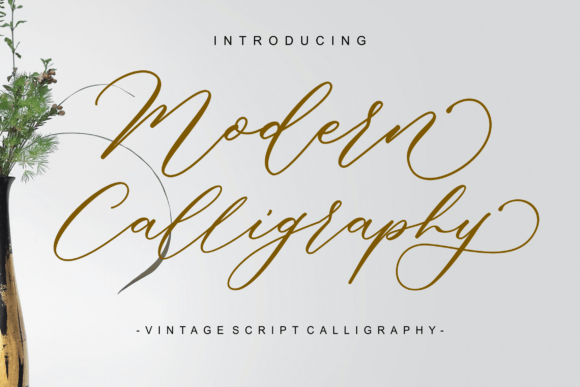
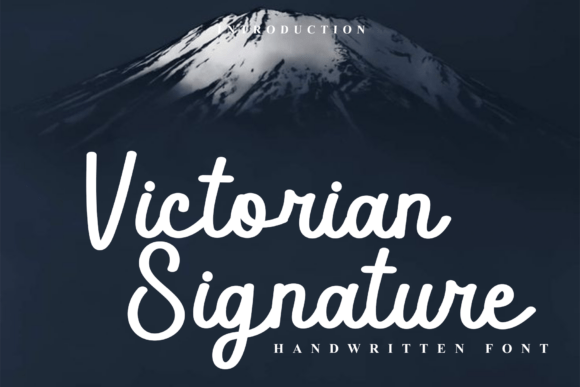
At its heart, Victorian Signature is a handwritten font with a distinct personality. Its visual character comes from a few key traits. The strokes are connected and fluid, mimicking the natural movement of a calligrapher's hand. You’ll notice dramatic, sweeping ascenders and descenders—the parts of letters like 'f', 'g', 'y', and 'h' that extend above or below the main line. This creates a dynamic, rhythmic flow across a word or line of text.
What makes it particularly useful is its balance. While it draws inspiration from vintage cursive, its letterforms are designed with modern clarity. The loops are expressive but not so convoluted that they sacrifice readability. This combination gives it a timeless appeal. It feels historic without being stuffy, and luxurious without being ostentatious. Think of it as the typographic equivalent of a classic piece of jewelry—something that complements rather than overwhelms.
Practical Applications: Where This Font Truly Shines
Knowing a font's personality is one thing; knowing where to deploy it is where the real design work happens. Victorian Signature excels in contexts where a human touch and a sense of quality are paramount.
Branding and Logo Design
For businesses in the luxury, artisanal, or boutique space, this typeface can become the cornerstone of a brand identity. Imagine it used for a high-end chocolatier's logo, a bespoke tailor's shop, or a premium skincare line. It immediately communicates craftsmanship and attention to detail. As a display font, it’s perfect for logos, monograms, and brand marks. However, pair it wisely. Its ornate nature means it should be complemented by a clean, simple sans serif font or a sturdy serif font for body copy to maintain legibility and visual hierarchy.
Editorial and Packaging Design
In editorial design, such as magazine mastheads, chapter titles in books, or pull quotes, Victorian Signature adds a layer of editorial flair. It draws the reader's eye and sets a tone of elegance. Similarly, in packaging design, it can transform a product label. For a small-batch gin, artisanal jam, or luxury candle, using this font for the product name or a signature line elevates the perceived value. It turns packaging into a part of the unboxing experience.
Digital Presence and Social Media
The digital world craves personality. Using Victorian Signature in web design for headers or hero text can make a website feel more curated and less generic. For social media graphics, it’s a powerful tool for creating standout quotes, promotional banners for events, or stylized announcements. It helps cut through the visual noise of a busy feed, offering a moment of refined beauty. Just ensure it's used at a sufficient size on screens where its details can be appreciated.
Personal and Commercial Projects
Beyond commercial use, this creative font is a fantastic asset for personal projects. Think wedding invitations, vow books, or thank you cards—it’s perfectly suited for that luxurious, personalized feel. For crafters and hobbyists, it can add a professional touch to handmade goods, digital planners, or printable art. Its versatility across personal and commercial spheres is a significant part of its value.
Making the Most of Victorian Signature: A Practical Guide
Integrating any new premium font into your workflow requires a bit of strategy. Here’s how to approach Victorian Signature effectively.
First, evaluate the project fit. Does your project's tone align with elegance, personalization, and a hint of nostalgia? If you're designing for a tech startup or a children's brand, this likely isn't the right choice. It’s a tool for specific jobs, not a universal solution.
Next, master font pairing. As mentioned, this font needs a partner. Its strength is in headlines and logos, not long paragraphs. Pair it with a highly legible body font. A classic combination might be Victorian Signature with a font like Garamond (serif) or Montserrat (sans serif). The contrast will create a clear visual hierarchy and ensure your message is both beautiful and readable.
Take full advantage of what’s included. The font is PUA-encoded, which means all its swashes, alternates, and ligatures are easily accessible, even in basic design software. Experiment with these extras. A swash on a capital letter or an alternate 's' can make a logo or headline feel truly custom. This is where you move from using a font to crafting with it.
Always consider readability. Test the font at the size it will be used. A beautiful script at 72pt can become an indecipherable squiggle at 12pt. Use it for its intended purpose: short, impactful text where style is as important as the message.
Finally, understand the licensing. Most commercial font licenses, including those for Victorian Signature, cover a wide range of uses—from digital ads to printed merchandise. Always check the specific license agreement to ensure it covers your intended use, especially for large-scale commercial projects.
In the end, a typeface like Victorian Signature is more than just a collection of glyphs. It’s a design asset that can help tell a story, evoke a specific emotion, and build a connection with your audience. Used thoughtfully, it doesn’t just spell out words—it imbues them with character, turning simple text into a memorable sign-off for your creative vision.